



8 Tips To Improve Your Google Keyword Rankings
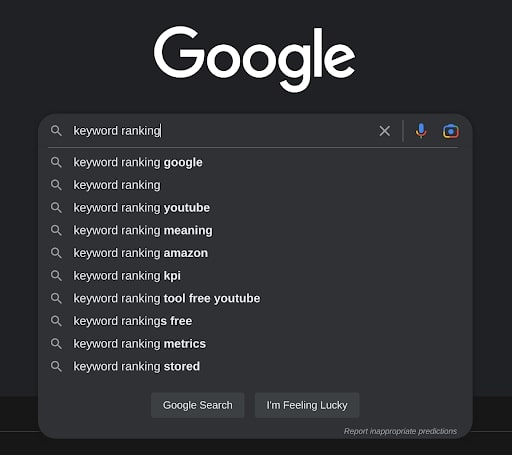
A lot of businesses still think improving rankings means doing one clever thing.
It usually does not.
Most ranking improvements come from getting a series of basics right and doing them well enough that the site becomes easier for Google to trust and easier for the right visitor to use. That is not flashy, but it is how a lot of real progress happens.
For NZ businesses, this matters because competition is not standing still. If you are trying to rank in Auckland, Wellington, Christchurch, or any strong local market, you are usually up against businesses that are already publishing, improving, and tightening their structure. If your site is sitting still, your rankings often are too.
Here are eight practical tips that still help improve Google keyword rankings in 2026.
1. Target The Right Keywords First
This sounds obvious, but it is where a lot of businesses go wrong.
They aim for broad terms because the search volume looks attractive, or they go after phrases that sound important internally but do not reflect how customers really search. That weakens the whole strategy from the start.
Better rankings usually begin with better targeting.
You want phrases that match:
- what the business offers
- where it offers it
- what the searcher is trying to do
- how likely that search is to turn into a real lead or sale
If the keyword is wrong, ranking for it can still be a poor result.
2. Make The Page Match The Search Properly
You can have the right keyword and still fail if the section does not satisfy the search.
This is where intent comes in. If someone is searching for a local provider, the content needs to feel local and commercially clear. If they are searching for advice, the content needs to answer the topic properly. If the page format does not match what Google expects for that type of search, rankings tend to stay weak.
A lot of businesses try to rank service content with thin blog-style writing, or they try to rank informational searches with hard-sell content that does not answer anything properly. That mismatch slows progress down.
Google rankings improve when the page feels like the right result for the query.
3. Strengthen Your Titles And Headings
This still matters a lot.
A good title helps Google understand the topic and helps users decide whether to click. Weak titles blur relevance. Generic headings make the content harder to understand. Messy hierarchy weakens the structure of the section.
This is one of the easiest places to tighten up rankings without a full rebuild.
Review your title tags. Review your H1s. Review the subheadings. Make sure the main keyword target is supported clearly, but written in a way that still sounds natural and useful.
4. Improve The Depth Of Important Pages
Thin content still holds rankings back.
A lot of websites have service sections or core commercial content that barely says enough to be useful. That can work in low-competition spaces for a while, but in most markets it eventually gets exposed.
If a section is meant to rank, it needs enough substance to justify that position.
That usually means clearer service explanation, stronger location relevance where needed, better support detail, stronger trust elements, and content that answers likely questions rather than skimming past them. It does not mean stuffing in words for the sake of it. It means giving the topic enough weight to stand on its own.
5. Use Internal Links With Intent
Internal links still do a lot of heavy lifting.
They help Google understand which parts of the site matter, how topics relate, and where authority should flow. They also help visitors move from one useful section to another. If your key content sits in isolation, it becomes harder to rank and harder to support.
A lot of websites have the content already. What they lack is the internal linking strategy around it.
6. Make Sure The Site Is Easy To Crawl And Fast To Use
You can improve the copy all you like, but if the site is technically weak, rankings often drag.
Slow load times, weak mobile performance, messy crawlability, and confusing site structure all make SEO harder than it needs to be. A page that is hard to load, hard to process, or hard to move through sends the wrong signals both technically and commercially.
This is especially important if the site has grown over time and become messy underneath.
That is where website design should be treated as a business tool, not a visual asset alone. The technical build and the ranking potential are closely tied. If the website is holding itself back structurally, keyword work alone will not solve much.
7. Refresh Old Content Instead Of Only Publishing New Content
A lot of ranking opportunities are sitting in older content that has gone stale.
The topic may still be useful. The targeting may still be valid. But the language, examples, internal links, or relevance may have faded. Refreshing that content often produces a better return than adding a brand-new article with no authority behind it.
That is especially true if the older content already has some ranking history or link equity.
Updating:
- titles
- headings
- examples
- internal links
- intent match
- supporting detail
can give older content a second life and improve keyword positions without starting from scratch.
8. Judge Rankings By Business Outcome
This is the one a lot of people skip.
A ranking improvement is only useful if it helps the business. If the site climbs for a weak term, gets poor traffic, or pulls in visitors that never convert, the ranking gain is mostly cosmetic.
That is why better rankings should be tied to:
- better traffic quality
- stronger lead flow
- better local visibility
- stronger commercial relevance
- better movement into enquiry or purchase
Ranking Better Usually Comes From Doing A Lot Of Small Things Well
There is no secret move hiding behind the curtain.
The websites that improve rankings steadily are usually doing the basics better. They target better terms. They match search intent better. They strengthen headings and titles. They improve content depth. They fix technical issues. They support key content with internal links. They keep old content relevant. And they care what happens after the click.
That is where the gains come from.
If your rankings are flat, start there. Not with gimmicks. Not with rushed shortcuts. Start with the parts of the site that are weak, unclear, or unsupported, and improve those properly.
That is still one of the most reliable ways to move keyword rankings in the right direction.
Comments are closed.