



Why Google Rankings Drop After A Website Redesign
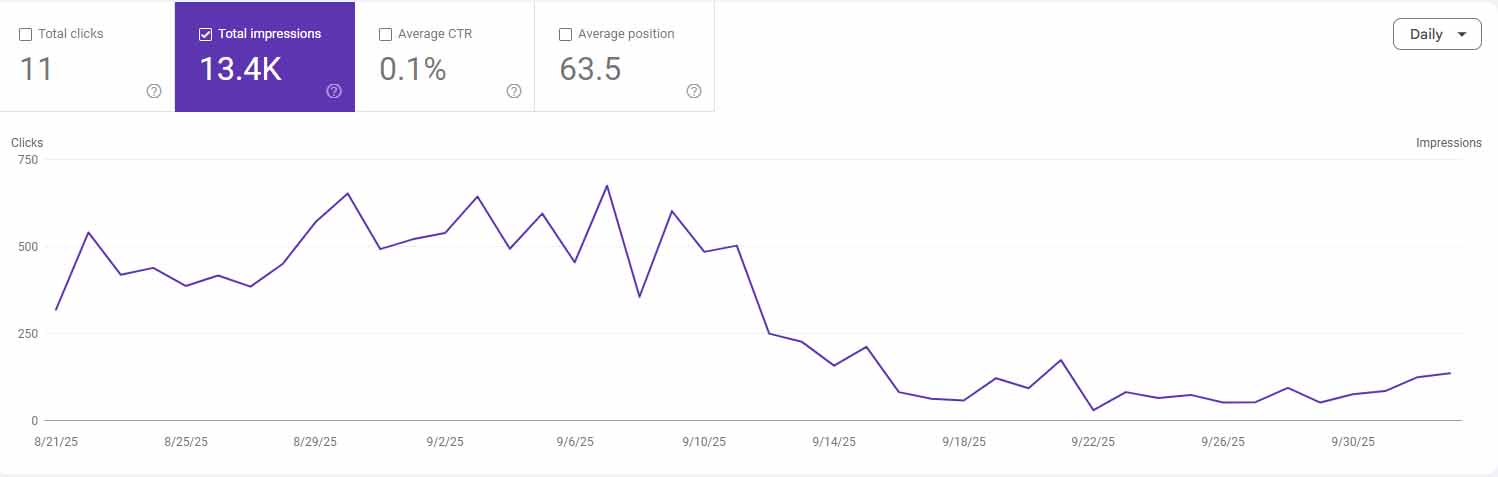
A website redesign is supposed to be a step forward. Better layout. Better speed. Better brand presentation. Better enquiries.
Then the rankings drop.
For a lot of NZ businesses, that is the moment the panic starts. Organic traffic dips, key terms slide down Google, and suddenly the new website that was meant to improve everything looks like it has made things worse.
This happens far more often than it should.
The problem is usually not the redesign itself. The problem is how the redesign was handled. If SEO is treated like something to check after launch, rankings can fall fast. I have seen this with service businesses in Auckland, ecommerce stores, and local companies that had built up steady visibility over time, only to wipe out a chunk of it during a rebuild.
If you are redesigning your website, or you have just launched a new one and seen a drop, here is what usually causes it.
The Old Website Had SEO Value You Did Not Account For
One of the biggest mistakes in a redesign is assuming the old website had nothing worth protecting.
A lot of business owners focus on what was wrong with the site. The design looked dated. The layout felt clunky. The backend was frustrating. All fair enough. But even an ugly website can still carry SEO value if it has indexed URLs, backlinks, internal links, ranking content, and service sections that Google already understands.
When that value is ignored, the redesign starts from the wrong place.
Before a rebuild, you need to know:
- which URLs are getting traffic
- which blogs or service sections rank
- which pages have backlinks
- which search terms are already driving visits
- which pages are converting
That is part of why custom website design should start with strategy, not visuals. If you redesign the look without understanding what the old structure was already doing, you are taking a risk you do not need to take.
URL Changes Break Ranking Signals Faster Than People Realise
This is one of the biggest reasons rankings drop after a redesign.
The old URL gets replaced. The new one goes live. No proper redirect is put in place, or the redirect goes somewhere generic. Google then has to work out what happened, and in the meantime you lose clarity, traffic, and authority.
If an old service section is ranked for a valuable term and now it either does not exist or redirects to a broad top-level section, that is a downgrade. It weakens relevance. It confuses users. It makes the migration messier than it needed to be.
A redesign should include a proper redirect plan before launch. Every meaningful old URL should have a clear new destination. Not the homepage. Not some broad catch-all section. The closest, strongest equivalent.
This is one reason custom website development matters during a redesign. The technical side of the build is where these decisions get handled properly or mishandled badly.
Key Content Gets Removed Or Watered Down
A lot of redesigns lose rankings because the content gets “cleaned up” too aggressively.
The business wants something shorter. The designer wants less text. The copy gets stripped back to the point where useful detail disappears. Headings get simplified. Supporting content gets removed. Suddenly the new site looks tidier but says a lot less.
That can hurt rankings quickly.
Google does not rank a website because it looks modern. It ranks sections because they answer queries clearly and in enough depth to be useful. If the old site had service content, supporting copy, FAQs, or blog content that was helping Google understand the topic, removing that content can damage performance.
This is where redesigns often get sold as visual projects when they should be treated as commercial and structural projects. The wording on the site still matters. The depth still matters. The relevance still matters.
Internal Links Get Broken Or Weakened
Internal links are one of the most overlooked parts of a redesign.
If you rebuild the navigation, rename blogs, change the service structure, or move content around, the internal linking network changes with it. If that is not handled carefully, sections that used to support each other become disconnected.
That weakens both SEO and user flow.
A solid internal linking structure helps Google understand what matters across the site. It also helps visitors move from general information into commercial content. If your redesign breaks those relationships, rankings can slide because the site loses clarity.
That is why internal links and how they help SEO is still such an important topic. Internal links are not a side issue. They are part of how authority moves through the site.
The New Structure Looks Better But Makes Less Sense
This is another common problem.
The redesign introduces a cleaner layout, but the structure becomes less focused. Service sections get grouped too broadly. Location targeting gets flattened. Important topics get buried deeper in the site. Menus become vague. URLs lose relevance. The website becomes harder for both Google and users to interpret.
A redesign should improve clarity, not reduce it.
This is exactly why Learning To Structure Your Website For SEO In 2026 matters so much. If the structure is weak, everything else struggles with it. Rankings. UX. Conversions. All of it.
I would rather see a website that looks slightly simpler but has a strong, logical structure than one that looks polished and hides its most important commercial content behind poor decisions.
What To Do If Rankings Have Dropped
First, do not guess.
Check what changed.
Look at:
- old versus new URLs
- old versus new meta titles and descriptions
- redirects
- lost content
- internal links
- ranking sections that dropped
- mobile performance
- indexation issues
- navigation and crawl depth
Then compare the old site and the new one honestly. Did the rebuild actually improve the key commercial structure, or only the appearance?
If rankings have dropped, the answer is usually in the details. A missing redirect. A weaker service section. A lost internal link path. A watered-down content structure. A technical issue introduced at launch.
Our article on How To Redesign Your Website Without Hurting Your SEO goes deeper into the preventative side of this, but if the drop has already happened, the goal is to identify exactly what was lost and repair it properly.
A Redesign Should Strengthen Rankings, Not Reset Them
That is the real takeaway.
A new website should not wipe out the progress the old one built. It should carry that value forward, improve the structure, tighten the messaging, and make the site easier to rank and easier to convert.
When rankings drop after a redesign, it is usually because SEO was treated as secondary. The design got attention. The migration did not. The visuals improved. The structure weakened.
If your site is about to be rebuilt, protect what is already working. If the rebuild is already live and rankings have slipped, do not assume you need to wait it out. In a lot of cases, the damage can be traced, fixed, and recovered.
A redesign should move the business forward. If it has not, something in the process was off.
Comments are closed.