



Choosing A Platform For Your Website Project
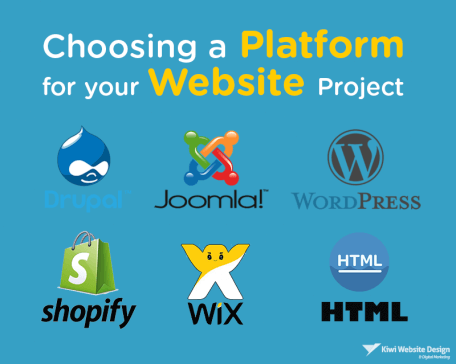
One of the biggest decisions in any website project gets made too casually.
The platform.
A lot of businesses choose based on what feels familiar, what a friend recommended, or what looks easiest in the short term. Then six months or a year later, the cracks show up. The site is harder to update than expected. SEO feels limited. Performance is weak. New features become awkward. Ecommerce gets messy. The platform that felt simple starts becoming the reason everything else is harder.
That is why platform choice matters so much.
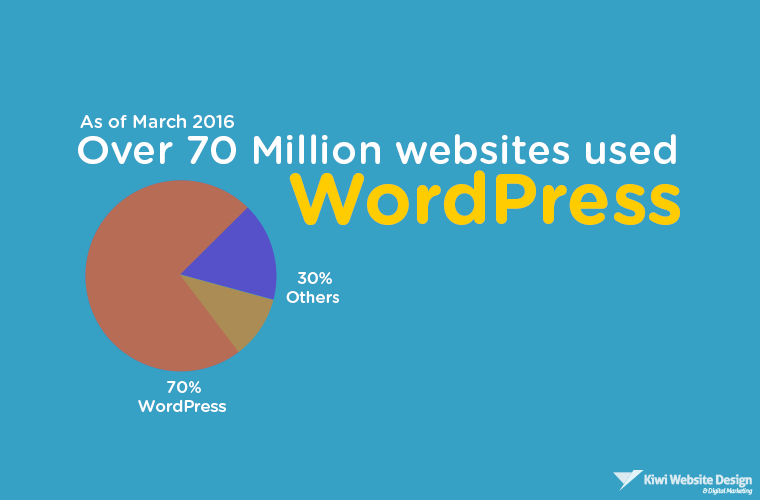
A website platform is not a minor technical detail. It shapes how easy the site is to manage, how flexible it is, how well it can support SEO, and how far it can grow with the business. If you get it right, the site becomes easier to improve. If you get it wrong, the platform starts making decisions for you.
Start With The Business, Not The Platform
This is where many projects go off track.
The platform should come after the business goals, not before them. If you start by asking “Should we use WordPress, Shopify, Webflow, Squarespace, or something else?” you are starting too early. The better question is what the website needs to do.
Does the site need to generate leads?
Does it need strong content marketing support?
Does it need ecommerce?
Does it need room to scale?
Does it need custom functionality?
Does it need to be easy for your team to update?
Once those answers are clear, the platform choice gets easier.
The wrong approach is picking the platform because it sounds easy, then forcing the project into it later.
WordPress Still Makes Sense For A Lot Of Businesses
There is a reason WordPress remains a strong option.
For many NZ businesses, especially service-based businesses and content-led websites, it gives a good balance of flexibility, control, SEO strength, and long-term usability. If the website needs custom structure, strong service content, location targeting, blog support, or better internal linking, WordPress often gives the room needed to do that properly.
This is part of why custom website design often sits comfortably with WordPress-based builds. When handled properly, it allows the structure, content, and conversion flow to be shaped around the business rather than forced into a restrictive template.
That does not mean WordPress is automatically right for every project. It means it is still a strong fit when the website needs flexibility and room to grow.
Shopify Is Strong When Ecommerce Is The Core Focus
If the project is primarily an online store, Shopify can make a lot of sense.
It is built around ecommerce first. The core selling functionality is clearer out of the box, and many store owners like the simplicity of getting products live without heavy custom setup early on. For some brands, especially those prioritising speed to market, that is valuable.
But simplicity is not the same as long-term fit.
If the store needs stronger content support, deeper SEO control, or more custom structure around how products, collections, and content work together, then the conversation changes. This is where E-Commerce Website Design becomes less about choosing what is easiest and more about choosing what gives the store the strongest commercial future.
A platform should suit how the business plans to grow, not only how quickly it wants to launch.
Simpler Platforms Can Become Restrictive Faster Than Expected
Platforms like Squarespace, Wix, and similar builders appeal for obvious reasons. They look easier. They feel more accessible. They promise a quick route to a clean-looking website.
That can be fine for very simple needs.
The problem is that businesses often outgrow them faster than they expected. As soon as SEO becomes a bigger focus, or the structure needs to become more deliberate, or the content expands, or new functionality is needed, the trade-offs become harder to ignore.
A platform can feel affordable at the start and expensive later if it forces compromises that affect rankings, conversion, or future growth.
That is why businesses need to be honest about where they are heading. If the website is likely to become a serious lead or sales channel, choosing a platform with stronger flexibility early is often the smarter decision.
SEO And Structure Should Influence The Choice
This is one of the most overlooked parts of the platform decision.
Different platforms give you different levels of control over structure, metadata, internal linking, content hierarchy, and technical SEO. If the website is going to rely on organic search, then the platform needs to support that properly.
A weak platform fit can make SEO harder than it should be.
This is why how to structure your website for SEO in 2026 matters so much in platform discussions. A good SEO structure is easier to build on the right platform. If the system underneath the site is constantly getting in the way, you feel that every time you try to improve content, navigation, URLs, or internal links.
The same goes for site speed and performance. A platform that feels fast and light early can still become bloated if the wrong build choices are made. A platform that looks fine in a demo can still create real-world problems if it is not suited to what the site needs to do.
Platform Choice Affects The Cost Of Future Changes
This is where businesses often get caught out.
A platform can seem cost-effective at launch, then become frustrating and expensive once the business wants to expand. Adding new sections gets awkward. Integrating features becomes messy. Changing the structure creates problems. SEO improvements feel slower than they should be. The build turns into something the business has to work around instead of work with.
That is why platform choice should always be thought of beyond launch day.
A good platform fit makes the next stage easier. Adding services, content, products, and SEO improvements should not feel like a battle. If the project is likely to evolve, the platform needs to support that evolution cleanly.
This is also where custom website development matters. Some projects genuinely need a stronger technical base from the start because the site is expected to do too much to be safely forced into a weaker system.
The Best Platform Is Usually The One That Creates The Fewest Compromises
That is the simplest way to frame it.
No platform is perfect. Every option has trade-offs. The goal is to choose the one that creates the fewest damaging compromises for your business. That means looking at the project honestly and asking what matters most.
If SEO matters, that should shape the decision.
If content growth matters, that should shape the decision.
If ecommerce is central, that should shape the decision.
If long-term flexibility matters, that should shape the decision.
The platform should support the commercial goal of the website.
A Website Project Gets Easier When The Foundation Is Right
This is why platform choice deserves more thought than it usually gets.
A lot of website problems that show up later were set in motion early. Weak structure. SEO limitations. Poor scalability. Technical frustration. All of it often starts with a platform that was chosen too quickly or for the wrong reasons.
If the foundation is right, the rest of the project usually gets easier. Design choices become more useful. SEO becomes easier to support. Content works harder. Updates feel cleaner. Growth becomes more realistic.
That is the real job of choosing a platform. It is not about picking the trendiest option. It is about choosing the system that gives the business the best chance to build something strong, useful, and commercially durable.
Read More Content
- Choosing A Platform For Your Website Project
- KWD Choosing an SEO Agency Auckland
- Common SEO Mistakes to Avoid in 2026
Comments are closed.