



What Website Metrics Actually Matter For NZ Businesses?
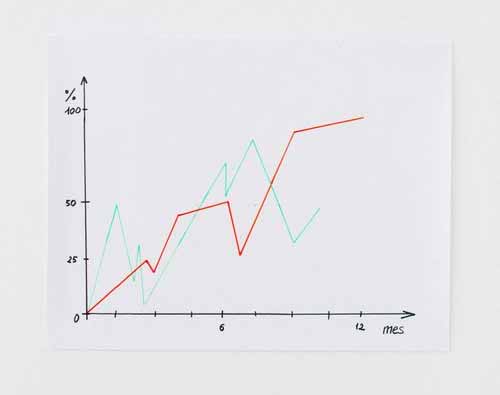
A lot of business owners are watching the wrong numbers.
A site can get traffic and still produce no enquiries. It can rank for keywords that bring in the wrong people. It can have strong impressions but weak clicks. It can look busy in reports and still do very little for the business.
That is the part that matters.
For NZ businesses, especially local service businesses, tradies, consultants, and ecommerce stores, website metrics should answer one simple question: is the website helping the business grow?
If the answer is unclear, you are probably measuring too much noise and not enough of the right things.
Traffic Is Useful, But It Is Not The Whole Story
Traffic is the easiest number to look at and the easiest one to misread.
More visitors can be a good sign. It can also mean very little. If those visitors are outside your service area, looking for something you do not sell, or arriving from weak informational searches, the traffic number can look healthy while the business gets nothing useful from it.
A local Auckland service business does not need thousands of visitors from random locations. It needs the right people finding the right service at the right time.
So yes, watch traffic. But do not stop there.
Look at where the traffic is coming from, what people searched, what they landed on, and what they did afterwards. A smaller amount of high-intent traffic will usually be worth far more than a large pool of visitors who never enquire.
A lot of the thinking behind why your SEO traffic is low quality and how to fix it comes down to this exact issue. Traffic only matters when it lines up with the business you want.
Enquiries, Calls, And Quote Requests Matter Most
For service businesses, these are the numbers I care about first.
Not impressions. Not sessions. Not time on site for the sake of it. Actual commercial actions.
How many people called?
How many filled in the form?
How many requested a quote?
How many enquiries were worth following up?
That last point matters. A higher enquiry count can still be a problem if the leads are poor. If half the people contacting you are wrong-fit, wrong-budget, or outside your area, the website is generating activity, not value.
Good measurement should help you understand both quantity and quality. A form submission is not automatically a good lead. A phone call is not automatically a good opportunity. The business needs to know whether the website is bringing in the kind of conversations worth having.
Conversion Rate Gives The Traffic Context
Conversion rate tells you how well the website turns visitors into action.
It is one of the clearest metrics because it puts traffic and outcomes in the same conversation. If traffic increases but conversion rate drops, something is off. If traffic stays steady and conversion rate improves, the website may be doing a better job with the people already arriving.
That is useful.
For example, if 1,000 visitors produce 10 enquiries, the site is converting at 1%. If the same traffic starts producing 25 enquiries after better forms, clearer service content, and stronger trust signals, the business has grown without needing extra traffic first.
That is often a better place to focus than chasing bigger visitor numbers.
For many NZ businesses, the fastest growth sits in improving what happens after the click. Better homepage clarity. Better mobile UX. Better calls to action. Better enquiry flow. A stronger website design nz approach should always care about that, because design that does not influence behaviour is only doing part of the job.
Search Console Shows Whether Google Is Giving You A Chance
Google Search Console is not exciting, but it is extremely useful.
It tells you whether Google is showing your site, whether people are clicking, and which searches are creating visibility. That gives you a different view from Analytics, because it shows what is happening before someone reaches the website.
The key numbers are impressions, clicks, click-through rate, and average position.
Impressions show how often your site appeared. Clicks show how often people chose you. CTR shows whether your listing was appealing enough. Average position shows where you tend to sit.
None of those numbers should be read alone.
High impressions with poor clicks might mean your title or description is weak. It might mean you are ranking too low. It might mean the search intent does not suit your content. Low impressions might mean the content is not visible enough, or the targeting is too narrow.
This is the kind of detail a proper website SEO audit should uncover. Data is only useful when it leads to a better decision.
Engagement Metrics Need Context
Metrics like bounce rate, average engagement time, and scroll behaviour can be helpful, but they are easy to overreact to.
A short visit is not always bad. If someone lands on a contact section, finds the phone number, and calls within ten seconds, that is a good outcome. If someone spends five minutes reading a blog and leaves without doing anything, that may or may not be useful.
Context matters.
Look at engagement against intent. A service section should probably move someone towards contact. A blog may educate first. An ecommerce product listing should help someone move closer to purchase. A homepage should orient people quickly and send them in the right direction.
The metric only matters once you know what that part of the site was meant to do.
Ecommerce Stores Need A Different Set Of Numbers
For ecommerce, the key metrics change.
Traffic still matters, but sales behaviour matters much more. Product views, add-to-cart rate, checkout starts, cart abandonment, completed purchases, average order value, and repeat purchase behaviour all tell a clearer story.
A store may have plenty of visitors and still lose money because the checkout is clunky. Another store may have fewer visitors but stronger product content, smoother mobile UX, and a better buying path.
That is why ecommerce reporting needs to follow the full journey. Where do people drop off? Which products get viewed but not added to cart? Are shipping details causing hesitation? Is mobile checkout weaker than desktop?
Those answers usually lead to better fixes than simply asking for more traffic.
The Best Metric Is The One That Changes What You Do Next
Good reporting should make decisions easier.
If the data does not change your actions, it is probably too vague. A proper metric should help you decide what to fix, what to test, what to stop doing, or where to invest next.
If rankings are strong but leads are weak, the issue may be conversion.
If impressions are high but clicks are weak, the issue may be metadata or search fit.
If traffic is rising but lead quality is poor, the issue may be targeting.
If mobile users drop off faster, the issue may be UX or speed.
If checkout starts are strong but purchases are weak, the issue may sit near payment or shipping.
That is how website metrics become useful. They stop being numbers in a report and start becoming a way to improve the business.
Measure What Helps You Make Money
That is the blunt version.
If a metric does not help you understand rankings, traffic quality, enquiry flow, sales, or lead value, it probably deserves less attention. NZ businesses do not need bigger reports. They need clearer ones. The website should be measured by what it contributes, not how impressive the graphs look.
Traffic has its place. Rankings have their place. Engagement has its place. But the numbers that matter most are the ones tied to real outcomes: calls, enquiries, quotes, sales, and better-quality leads.
Comments are closed.