



What Makes a High‑Converting Service Website in 2026?
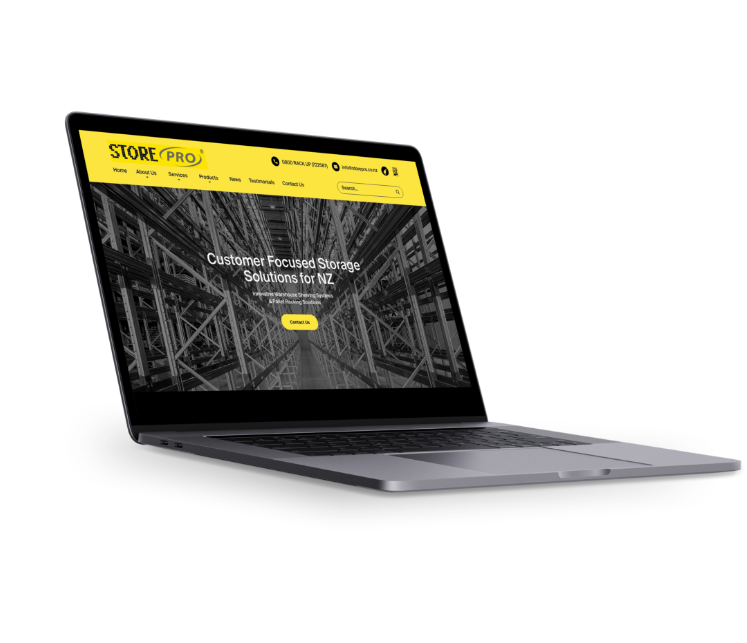
A few years ago many New Zealand service businesses were still asking if they even needed a website. That question feels dated now. Most businesses have a digital presence; the bigger question in 2026 is why that presence isn’t delivering new enquiries. A site may look polished, but if it doesn’t generate leads it is not performing as a business tool. The difference between an attractive brochure and a high‑converting site comes down to clarity, trust, speed and structure rather than design flair alone. In my experience working with clients around Auckland, sites that perform well guide visitors effortlessly to the next step. They make it obvious who the company is, what it offers, and what a visitor should do next.
What a High-Converting Service Website Actually Does
A high‑converting site answers four questions quickly. Who you are, what you do, who you do it for and what visitors should do next.
When that information is buried or vague, conversion rates suffer. An effective site does not rely on gimmicks to engage users; it communicates value quickly and builds confidence almost immediately. Strong messaging, professional visuals, real proof points and clean layouts all play their part in earning trust.
The site should also feel fast and stable. Performance isn’t only a technical concern, as it effects conversion. If pages shift while loading, forms start lagging or important content takes too long to appear, visitors lose confidence. Mobile users expose weak design choices even sooner, so the experience needs to be smooth across devices.
Clear Messaging and Strong First Impressions
A homepage should prioritise the right messages and create a clear path forward. That means using straightforward language instead of jargon, stating what you do and how you help, and backing claims with evidence. Social proof such as testimonials, case studies and client logos build credibility. Real photography can convey authenticity whereas stock images fail.
Navigation also plays a huge role in first impressions. High‑converting websites are organised around user intent, not internal structures. Menus should be simple, labels clear and important services easy to reach. Don’t hide key information behind layers of clicks. People will not stop to hunt for what they need when your competitors are one tab away.
Navigation and User Flow
When I audit underperforming sites, I see unclear journeys. Pages end abruptly without prompting the next step, or they overload visitors with too many competing options. The result is indecision and high bounce rates. Instead, each page should guide a visitor forward from awareness to consideration, and then to enquiry or booking. Calls to action (CTAs) need to be clear, strong and aligned with the visitor’s stage of decision‑making. A user who is ready to talk may want a contact form, or someone still researching may respond better to a case study or service breakdown.
Forms are often where the journey stalls. Ask only for what you need and group information logically. A long or confusing form can undo all the effort you put into guiding someone there. On mobile, ensure forms are easy to complete with thumbs and that fields are clearly labelled. Remove anything that feels like friction.
Speed, Mobile Usability and Trust Signals
Speed has always mattered. Core Web Vitals and mobile‑first indexing make it even more critical. A fast, stable site encourages visitors to stay engaged long enough to take action. Slow loading pages, especially on mobile, erode trust and make businesses appear less professional. Compress images properly, load scripts asynchronously and use modern hosting to keep load times down.
Trust is built across multiple elements including clear messaging, a consistent visual identity, professional photography, proof points and intuitive navigation. Certificates, associations and awards can reinforce credibility, but they must be genuine. Small design cues like the placement of phone numbers, the tone of copy and the transparency of pricing all contribute to a sense of honesty. Remember that visitors will leave if they sense something feels off, even if they can’t articulate why.
SEO Structure That Supports Long‑Term Lead Generation
High‑converting service websites need to be discoverable. Site architecture should support search engines and users. That means clear hierarchies, descriptive URLs, internal links that connect related content and easily crawlable pages. A tidy structure also helps visitors navigate the site, reinforcing the conversion funnel.
Internal linking is particularly important for lead generation because it signals to search engines which pages are most important and helps visitors find the information they need. Our guide on internal links and how they help SEO covers how thoughtful linking between service pages and supporting content can build topical authority and improve rankings. When combined with a fast, mobile-friendly site, a strong internal linking strategy creates a foundation for sustainable organic traffic and enquiries.
How We Approach This at KWD
When a business owner comes to us with a site that isn’t converting, we don’t start with aesthetics. We look at the big picture, including the clarity of the message, the structure of the navigation, the performance of the site and the quality of the content. Often, the fix is not one dramatic redesign but a series of targeted improvements. We reorganise pages so they align with real customer journeys. We sharpen the copy to speak directly to the audience. We refine CTAs to move people through the funnel. We optimise images and code to improve load times.
Part of that process involves choosing the right technical solution. Sometimes a refresh on a content management system is enough. Sometimes a business needs a custom website design to create layouts and user flows that suit a specific service business. Custom website development gives us control over performance and integrations. For many clients, working on structure and speed first is more impactful than any visual change, as explained in our blog on why website speed is a vital part of conversions.
Bringing It All Together
The most effective service websites communicate value quickly, load fast, make navigation easy, build trust and provide a clear next step. They don’t overwhelm visitors with too much information or bury the important details. They perform well on mobile, use real proof points and incorporate a structure that supports search engines and users.
At KWD, our goal is to help businesses create websites that are not just present, but effective. By focusing on clarity, trust, speed and strategy, we build sites that earn enquiries and support growth. If you’re ready to turn your site into a lead generation engine, explore our website design solutions in New Zealand or read more in our blog on why your website isn’t generating leads, and how to fix it.
Comments are closed.